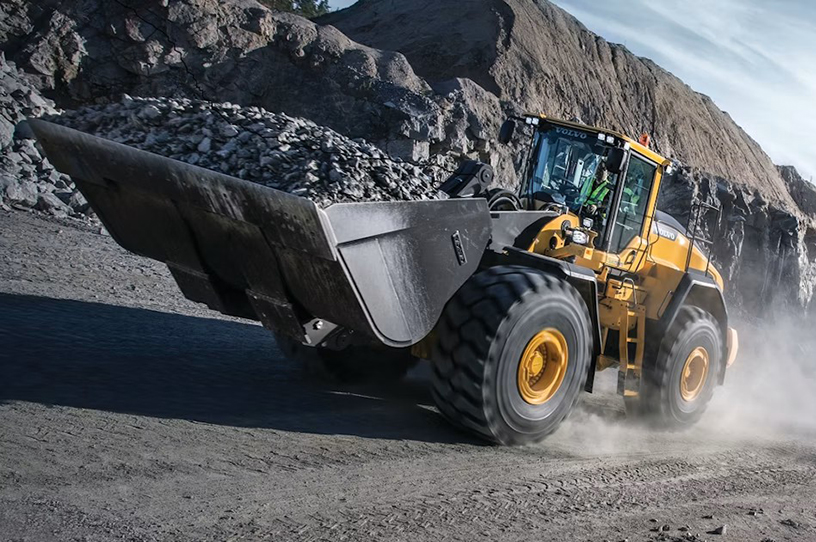
Engineering vehicles are essential for construction, infrastructure development, mining, material handling, roadwork, and other heavy-duty applications. However, purchasing or operating the wrong vehicle can increase fuel consumption, maintenance requirements, downtime, and labor costs.
Choosing an engineering vehicle based on the actual requirements of a project can help companies control operating expenses while maintaining productivity. Instead of focusing only on the initial purchase price, fleet managers can evaluate factors such as operating conditions, payload, fuel efficiency, maintenance requirements, durability, and equipment utilization.
Matching Vehicle Capacity to the Job
Vehicle capacity is one of the most important factors in equipment selection.
A vehicle that is too small may require more trips to complete the same task. This can increase fuel consumption, labor requirements, and operating hours.
On the other hand, selecting an oversized vehicle for relatively light-duty work can result in unnecessary fuel consumption and higher acquisition and maintenance costs.
The ideal approach is to match payload, lifting capacity, dimensions, and performance characteristics to the actual workload.
Improving Fuel Efficiency
Fuel can represent a significant portion of operating costs for engineering vehicles.
Vehicle selection can influence fuel consumption through engine efficiency, vehicle weight, drivetrain configuration, hydraulic systems, and operating capacity.
Choosing equipment that provides sufficient power without excessive capacity can help avoid unnecessary fuel consumption.
Fleet operators should also consider the typical operating cycle. A vehicle frequently working at low speeds, carrying heavy loads, or operating on steep terrain may have different fuel requirements from one used primarily on paved roads.
Reducing Maintenance Costs
Maintenance is another major component of the total cost of ownership.
Engineering vehicles often operate in dusty, muddy, uneven, or high-load environments. These conditions can place significant stress on engines, transmissions, hydraulic systems, tires, suspension components, and other parts.
When selecting engineering vehicles, operators should evaluate:
- Accessibility of maintenance points
- Availability of replacement parts
- Service intervals
- Component durability
- Diagnostic systems
- Local service support
- Maintenance complexity
A vehicle designed for easier servicing can help reduce maintenance labor and minimize unnecessary downtime.
Minimizing Equipment Downtime
Unexpected downtime can disrupt construction schedules and affect overall project costs.
A vehicle with frequent mechanical problems may appear economical initially but become expensive over time because of repairs and lost productivity.
Selecting engineering vehicles with suitable durability and reliable components can help improve fleet availability.
Preventive maintenance should also be combined with proper vehicle selection. Regular inspections can identify problems before they develop into major failures.
Considering the Operating Environment
Engineering vehicles may operate in very different environments.
Construction sites can involve uneven terrain, heavy dust, mud, steep grades, and restricted working areas. Mining operations may involve high loads and continuous operation, while road projects may require vehicles to travel between multiple work zones.
When choosing equipment, operators should consider:
- Terrain conditions
- Weather conditions
- Maximum payload
- Working hours
- Road and off-road requirements
- Site accessibility
- Temperature and dust exposure
Selecting a vehicle designed for the intended environment can reduce unnecessary wear and improve operational efficiency.
Improving Fleet Utilization
An engineering vehicle only generates value when it is being used productively.
Before purchasing additional equipment, fleet managers can evaluate existing vehicle utilization. If certain vehicles remain idle for long periods, adding similar equipment may increase capital and maintenance costs without improving productivity.
In some cases, selecting versatile engineering vehicles that can perform multiple tasks may improve fleet flexibility.
However, versatility should be balanced against application requirements. A multi-purpose vehicle should still provide adequate performance for its primary tasks.
Used Engineering Vehicles as a Cost-Control Option
For companies with limited capital budgets, used engineering vehicles can provide another equipment acquisition option.
A properly inspected used vehicle may allow contractors to expand their fleet without paying the full cost of new equipment.
However, buyers should carefully evaluate:
- Vehicle operating hours
- Maintenance history
- Engine condition
- Transmission performance
- Hydraulic systems
- Tires and major components
- Structural condition
- Availability of spare parts
The purchase price should always be considered together with expected repair and maintenance costs.
Using Technology to Improve Operating Efficiency
Modern engineering vehicles increasingly incorporate electronic controls, telematics, and diagnostic systems.
Fleet managers can use vehicle data to monitor factors such as:
- Fuel consumption
- Engine hours
- Vehicle utilization
- Idle time
- Maintenance status
- Operating location
- Equipment performance
This information can help identify inefficient operating patterns and support better maintenance planning.
For large fleets, data-driven management can also help determine which vehicles are being underutilized and which units are experiencing unusually high operating costs.
Proper engineering vehicle selection can have a significant impact on operating costs. Matching vehicle capacity and specifications to the actual application can help control fuel consumption, maintenance expenses, downtime, and labor requirements.
Instead of evaluating equipment based solely on its purchase price, construction companies and fleet operators can consider total cost of ownership, operating environment, expected utilization, service requirements, and long-term reliability.
With the right combination of vehicle selection, preventive maintenance, operator training, and fleet monitoring, engineering vehicles can support productive operations while helping companies manage their overall equipment costs more effectively.