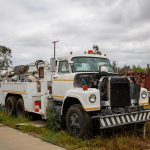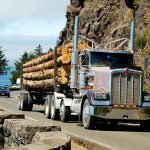
The construction industry is undergoing a transformation as sustainability becomes a global priority. One of the most effective approaches to reducing environmental impact is adopting a circular economy model, which emphasizes reusing, refurbishing, and recycling resources. Used construction vehicles play a critical role in this shift by extending equipment life cycles, reducing waste, and lowering carbon emissions.
Why Used Construction Vehicles Matter
1. Extending Equipment Lifespan
Used construction vehicles allow machinery to remain productive beyond their initial ownership cycle. With proper maintenance and refurbishment, equipment can operate efficiently for many years.
2. Reducing Resource Consumption
Manufacturing new heavy equipment requires significant raw materials such as steel, rubber, and energy. By reusing existing machinery, companies reduce the demand for new resource extraction.
3. Lowering Carbon Emissions
Producing new vehicles generates substantial greenhouse gas emissions. Purchasing used equipment helps cut emissions associated with manufacturing and transportation.
4. Minimizing Construction Waste
Reusing vehicles aligns with waste reduction strategies, preventing large machinery from being scrapped prematurely.
Economic Benefits of Used Construction Vehicles
- Lower Initial Investment: Pre-owned equipment is significantly more affordable than new machinery
- Faster Return on Investment (ROI): Reduced upfront costs lead to quicker profitability
- Depreciation Advantage: Used vehicles depreciate more slowly than new ones
- Increased Accessibility: Small and medium-sized contractors can access high-quality equipment at lower costs
Applications in Circular Construction
Infrastructure Projects
Used vehicles are widely utilized in road construction, bridge building, and public infrastructure projects, where cost efficiency is crucial.
Urban Development
City projects benefit from affordable machinery while maintaining sustainability goals.
Small-Scale Construction
Contractors and startups rely on used equipment to remain competitive without heavy capital investment.
Best Practices for Integrating Used Equipment
- Conduct Thorough Inspections: Evaluate engine performance, hydraulics, and structural integrity
- Partner with Reliable Suppliers: Ensure quality and transparency in equipment history
- Invest in Preventive Maintenance: Extend operational life and reduce downtime
- Upgrade with Modern Technology: Add GPS, telematics, or safety systems to improve efficiency
- Follow Compliance Standards: Ensure equipment meets environmental and safety regulations
Used construction vehicles are a cornerstone of the circular economy in construction. By extending equipment life cycles, reducing waste, and lowering environmental impact, they offer both economic and ecological benefits. As the industry continues to evolve, embracing pre-owned machinery is not just a cost-saving strategy—it is a sustainable path forward for modern construction.