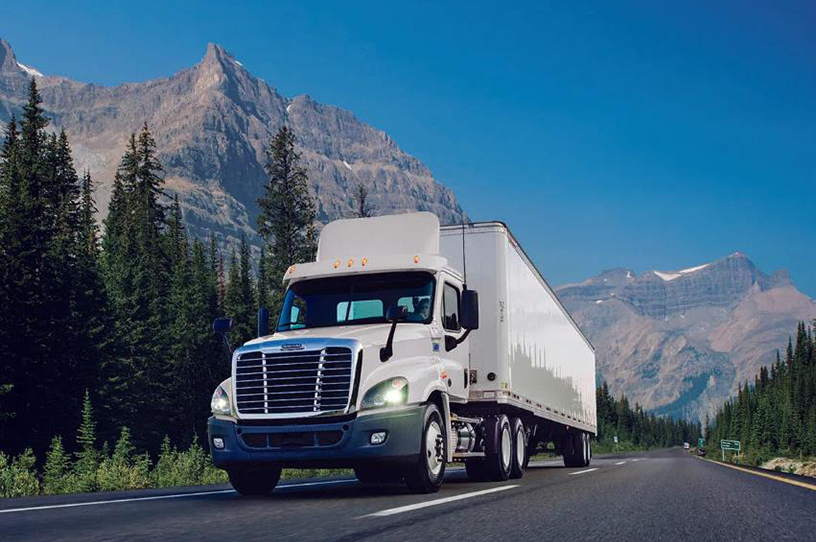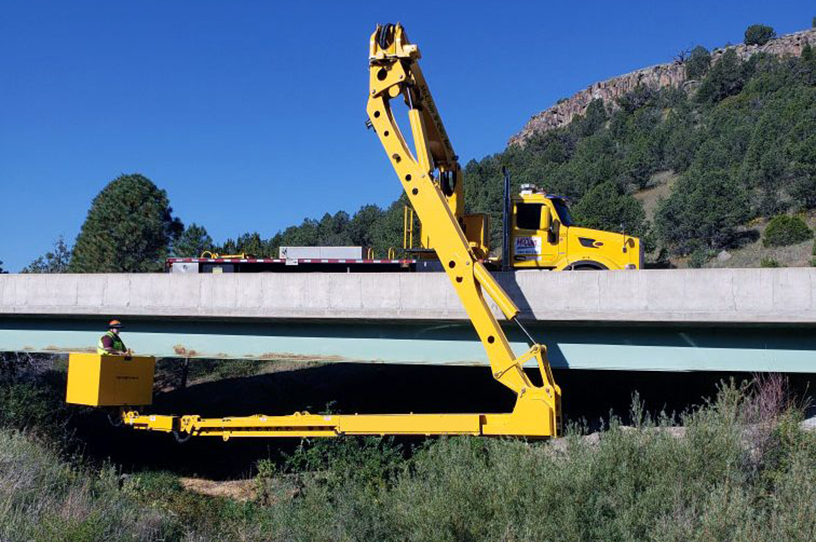
Used road construction trucks remain essential assets in infrastructure development, highway construction, municipal maintenance, and large-scale transportation projects. While purchasing used trucks can significantly reduce fleet investment costs, maintaining reliability and operational efficiency becomes increasingly important as equipment ages.
Digital maintenance monitoring systems are transforming how construction companies manage used road construction trucks. By integrating sensors, telematics, GPS tracking, and real-time diagnostic technologies, fleet operators can monitor truck performance, predict maintenance needs, and reduce unexpected downtime.
Importance of Maintenance Monitoring for Used Construction Trucks
Used road construction trucks often operate in demanding environments such as:
- Highway construction sites
- Mining operations
- Urban infrastructure projects
- Road repair zones
- Heavy material transportation
These conditions can accelerate component wear and mechanical stress.
Without proper monitoring, problems such as engine failure, hydraulic issues, brake wear, and transmission damage may go undetected until costly breakdowns occur.
Digital monitoring systems help construction companies identify issues early and improve fleet reliability.
Key Components of Digital Maintenance Monitoring Systems
Vehicle Telematics
Telematics systems collect operational data directly from the truck.
Typical monitored parameters include:
- Engine temperature
- Fuel consumption
- Oil pressure
- RPM levels
- Battery condition
- Hydraulic system performance
This data is transmitted to centralized monitoring platforms for analysis.
GPS Fleet Tracking
GPS tracking systems allow fleet managers to monitor:
- Vehicle location
- Route efficiency
- Idle time
- Job site activity
- Driver behavior
Improved route planning helps reduce fuel usage and equipment wear.
Diagnostic Sensors
Modern monitoring systems use sensors to detect abnormal operating conditions.
Sensors may monitor:
- Tire pressure
- Brake performance
- Engine vibration
- Cooling systems
- Transmission condition
- Hydraulic pressure
Real-time alerts help maintenance teams respond quickly to developing issues.
Cloud-Based Fleet Management Platforms
Cloud software platforms centralize truck data and provide:
- Maintenance scheduling
- Digital inspection records
- Service history tracking
- Fleet performance reports
- Predictive maintenance analytics
Fleet managers can access data remotely from computers or mobile devices.
Benefits of Digital Maintenance Monitoring
Reduced Equipment Downtime
Unexpected truck failures can delay construction projects and increase operational costs.
Digital monitoring systems help identify maintenance needs before breakdowns occur, reducing unplanned downtime.
Lower Maintenance Costs
Preventive maintenance is typically less expensive than emergency repairs.
Monitoring systems help:
- Detect minor issues early
- Avoid major component failures
- Optimize replacement schedules
- Extend equipment lifespan
Improved Fleet Reliability
Real-time monitoring improves the reliability of used road construction trucks operating in heavy-duty environments.
Reliable equipment supports:
- Better project scheduling
- Higher operational productivity
- Improved customer satisfaction
Enhanced Fuel Efficiency
Monitoring driver behavior and engine performance helps reduce fuel waste caused by:
- Excessive idling
- Aggressive acceleration
- Poor route planning
- Improper engine operation
This lowers operating expenses for construction fleets.
Better Safety Management
Digital systems can identify safety risks such as:
- Brake wear
- Tire pressure problems
- Engine overheating
- Driver fatigue patterns
Improved safety monitoring helps reduce accident risks on construction sites and public roads.
Applications in Road Construction Fleets
Dump Trucks
Dump trucks used for transporting gravel, asphalt, and construction materials benefit from monitoring systems that track:
- Hydraulic performance
- Payload efficiency
- Engine stress
- Tire wear
Asphalt Trucks
Asphalt transportation requires stable temperature and equipment performance.
Digital systems help monitor:
- Heating systems
- Fuel usage
- Route timing
- Maintenance intervals
Water Trucks
Water trucks used for dust suppression and site cleaning rely on monitoring systems to track pump performance and water distribution equipment.
Heavy Haul and Lowboy Trucks
These trucks transport heavy construction equipment and require continuous monitoring of:
- Suspension systems
- Brake performance
- Load distribution
- Engine operation
Predictive Maintenance Technology
One of the most important advancements in digital monitoring is predictive maintenance.
Using AI and data analytics, systems can forecast potential failures based on:
- Historical maintenance data
- Real-time operating conditions
- Equipment usage patterns
- Sensor analysis
Predictive maintenance allows fleets to schedule repairs before failures occur.
Smart Fleet Management and Automation
Modern road construction fleets increasingly integrate digital monitoring with automated fleet management systems.
Advanced capabilities include:
- Remote diagnostics
- Automated maintenance scheduling
- AI-powered performance optimization
- Mobile fleet management apps
- Digital inspection workflows
These technologies improve operational visibility and efficiency.
Environmental and Sustainability Benefits
Digital monitoring systems also support sustainability goals.
Reduced Fuel Consumption
Efficient fleet operation lowers fuel usage and carbon emissions.
Extended Equipment Lifespan
Proper maintenance reduces premature equipment replacement and material waste.
Lower Environmental Risk
Monitoring systems help prevent:
- Oil leaks
- Hydraulic failures
- Excessive emissions
- Environmental contamination
Digital maintenance monitoring is transforming the management of used road construction trucks by improving reliability, reducing downtime, and supporting predictive maintenance strategies. Through telematics, GPS tracking, diagnostic sensors, and cloud-based analytics, construction companies can optimize fleet performance while reducing operational costs.