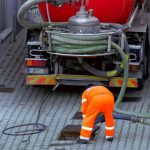
Roads, highways, bridges, and public infrastructure are essential to economic development and community connectivity. To construct, maintain, and repair these assets efficiently, contractors and government agencies rely on a wide range of special vehicles designed specifically for infrastructure projects.
From earthmoving and paving to inspection and maintenance, these purpose-built vehicles help improve productivity, enhance safety, and ensure the long-term reliability of transportation networks.
Key Types of Special Vehicles Used in Road Construction
Asphalt Pavers
Asphalt pavers are essential for laying road surfaces with consistent thickness and smoothness.
Key benefits include:
- Uniform pavement quality
- Improved road durability
- Higher paving efficiency
- Reduced material waste
Road Rollers and Compactors
Compaction is critical to ensuring road strength and longevity.
Road rollers help:
- Increase pavement density
- Improve load-bearing capacity
- Minimize future settlement issues
- Enhance surface stability
Motor Graders
Motor graders are widely used for shaping and leveling road foundations.
Applications include:
- Road base preparation
- Surface grading
- Drainage improvement
- Precision earthmoving
Excavators and Backhoe Loaders
These versatile special vehicles support:
- Trenching operations
- Utility installation
- Foundation excavation
- Roadside infrastructure development
Their flexibility makes them indispensable on construction sites.
Special Vehicles for Infrastructure Maintenance
Infrastructure maintenance is essential for preserving safety and extending asset life.
Road Surface Repair Vehicles
Specialized repair vehicles can quickly address:
- Potholes
- Surface cracks
- Pavement deterioration
- Emergency road damage
Timely repairs help prevent larger structural failures.
Bridge Inspection Vehicles
Bridge maintenance often requires access to hard-to-reach areas.
Bridge inspection vehicles offer:
- Safe elevated access
- Efficient structural assessments
- Reduced traffic disruption
- Improved inspection accuracy
Line Marking Vehicles
Accurate road markings contribute significantly to traffic safety.
Modern line marking vehicles provide:
- High precision application
- Consistent line quality
- Faster project completion
- Reduced material consumption
Street Sweeping and Cleaning Vehicles
Keeping roads clean helps improve safety and reduce infrastructure wear.
Benefits include:
- Removal of debris and dust
- Improved drainage performance
- Enhanced road appearance
- Reduced maintenance costs
Technological Innovations in Modern Special Vehicles
GPS and Machine Control Systems
Advanced positioning technologies allow operators to achieve greater accuracy.
Advantages include:
- Reduced rework
- Improved grading precision
- Faster project execution
- Better resource utilization
Telematics and Fleet Monitoring
Fleet management systems enable real-time tracking of vehicle performance.
Key benefits:
- Improved equipment utilization
- Lower fuel consumption
- Predictive maintenance scheduling
- Reduced downtime
Automated and Semi-Autonomous Functions
Automation is becoming increasingly common in infrastructure equipment.
Examples include:
- Automated grading assistance
- Intelligent compaction systems
- Driver-assistance technologies
- Remote operation capabilities
Sustainability in Road Building and Maintenance
Environmental considerations are becoming a major factor in infrastructure development.
Fuel-Efficient Vehicle Designs
Manufacturers are developing vehicles that reduce fuel consumption and emissions.
Benefits include:
- Lower operating costs
- Reduced carbon footprint
- Compliance with environmental regulations
Electric and Hybrid Special Vehicles
The adoption of electric and hybrid technologies is expanding in municipal and construction fleets.
Advantages:
- Reduced noise pollution
- Lower greenhouse gas emissions
- Improved energy efficiency
Sustainable Construction Practices
Special vehicles support environmentally responsible operations through:
- Precision material placement
- Reduced waste generation
- Efficient resource utilization
- Improved project planning
Safety Advantages of Specialized Infrastructure Vehicles
Safety remains a top priority in construction and maintenance projects.
Modern special vehicles feature:
- Enhanced visibility systems
- Collision warning technology
- Stability control systems
- Ergonomic operator cabins
- Advanced lighting and monitoring equipment
These features help reduce workplace accidents and improve operational reliability.
Special vehicles are fundamental to successful road building and infrastructure maintenance projects. From paving and grading to inspection and repair, these specialized machines improve efficiency, enhance safety, and support sustainable development goals.
As technology continues to evolve, smart, connected, and low-emission special vehicles will play an even greater role in creating resilient transportation networks and modern infrastructure systems for the future.