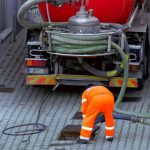
Grease trap maintenance is an essential part of commercial kitchen operations, restaurant wastewater management, and municipal sewer protection. Restaurants, hotels, food processing facilities, and commercial kitchens generate fats, oils, and grease (FOG) that can accumulate in drainage systems, causing blockages, unpleasant odors, and costly plumbing problems. To manage these materials safely and efficiently, professional service providers rely on vacuum trucks designed for liquid waste collection and transportation.
For businesses looking to expand their service capabilities or reduce equipment investment costs, used vacuum trucks for grease trap and FOG service work offer a practical solution. A properly inspected used vacuum truck can provide reliable pumping performance, flexible operating capabilities, and lower upfront costs compared with purchasing new equipment.
Why Buy Used Vacuum Trucks for Grease Trap Cleaning?
Purchasing a used vacuum truck can be an effective way for service contractors to increase capacity without committing to the cost of a new vehicle.
1. Lower Initial Investment
New vacuum trucks can require a substantial capital investment, particularly when equipped with large tanks, specialized vacuum pumps, and custom plumbing systems. Used equipment may offer a lower purchase price, allowing smaller contractors and growing service companies to allocate more capital toward staffing, maintenance, customer acquisition, and additional service vehicles.
However, the purchase price should not be the only consideration. Buyers should also evaluate repair costs, expected downtime, fuel consumption, and the availability of replacement parts.
2. Faster Business Expansion
Companies that already have customers waiting for regular grease trap service may need additional equipment quickly. Purchasing a suitable used vacuum truck can help increase fleet capacity without waiting for a new vehicle to be manufactured and delivered.
An additional truck can allow a contractor to serve more restaurants per day, schedule recurring maintenance routes more efficiently, and respond to urgent service requests.
3. Flexible Fleet Options
The used truck market offers a variety of tank capacities, chassis configurations, pump systems, and vehicle sizes. Contractors can select equipment that fits their operating requirements rather than paying for features they rarely use.
For example, a business serving restaurants in dense urban areas may prefer a compact truck with good maneuverability, while a contractor servicing large commercial grease interceptors may need a higher-capacity tank and a more powerful pumping system.
4. Potential for Lower Depreciation
A used truck has already experienced part of its initial depreciation. Depending on its age, condition, service history, and resale market, it may retain value more effectively than a comparable new vehicle purchased at a higher price.
Actual ownership costs still depend on maintenance, operating hours, remaining equipment life, and future repair requirements.
Key Features to Evaluate Before Buying
Not every vacuum truck is suitable for grease trap and FOG service. Buyers should examine the entire vehicle and waste handling system before making a purchase.
Vacuum Pump Performance
The vacuum pump is one of the most important components of the truck. It determines how effectively the system can draw waste through the hose and into the collection tank.
When inspecting a used vacuum truck, evaluate:
- Pump type and rated capacity.
- Vacuum level and performance under operating conditions.
- Pump operating hours and maintenance records.
- Signs of excessive vibration, unusual noise, or oil leakage.
- Condition of the vacuum lines, seals, valves, and fittings.
- Availability of replacement components and technical support.
Pump performance should be assessed against the expected viscosity and solids content of the waste. Thick grease, settled food particles, and long hose runs can affect collection efficiency.
Tank Capacity and Material
Tank capacity determines how much waste a truck can collect before returning to a disposal facility. A larger tank may reduce trips, but it also increases vehicle weight and may limit access to restricted locations.
Consider the following factors:
- Typical grease trap volume per service visit.
- Number of customers served per route.
- Distance between service locations and disposal facilities.
- Permitted vehicle weight and axle load.
- Tank condition, corrosion, and structural integrity.
- Compatibility with the intended waste and cleaning procedures.
The tank should also have suitable access points, drainage arrangements, and secure closures. Buyers should confirm that the tank is designed and approved for the intended service rather than assuming that every liquid-waste tank is interchangeable.
Hose, Valve, and Fitting Condition
Hoses and fittings are exposed to grease, wastewater, debris, and repeated handling. Damaged hoses can leak, while worn seals or malfunctioning valves can reduce suction performance and create environmental or workplace hazards.
Inspect hose connections, gaskets, couplings, shutoff valves, and hose storage arrangements. Verify that the hoses are suitable for the waste being collected and that all components can be cleaned and maintained properly.
Chassis and Engine Condition
A vacuum truck must transport both its own equipment and the collected waste. Engine performance, braking, suspension, tires, and chassis condition therefore directly affect safety and reliability.
A pre-purchase inspection should cover:
- Engine maintenance and diagnostic history.
- Transmission and drivetrain performance.
- Brake system and suspension condition.
- Frame corrosion, cracks, or previous structural repairs.
- Tire condition and load ratings.
- Service records, mileage, and signs of excessive wear.
Because collected waste can substantially increase the vehicle’s operating weight, buyers should verify the gross vehicle weight rating, axle ratings, and applicable road regulations.
Safety and Environmental Equipment
Grease trap service involves liquid waste, potentially hazardous gases, slippery surfaces, and the risk of spills. A suitable truck should have appropriate safety features and support safe operating procedures.
Depending on the truck design and local requirements, buyers may need to check tank pressure and vacuum protection, emergency shutoffs, secure hose storage, spill control provisions, warning equipment, and appropriate protective measures for operators.
Any required permits, inspections, vehicle certifications, and waste transportation approvals should also be confirmed before the truck enters service.
How Used Vacuum Trucks Improve Grease Trap Service Efficiency
The right equipment can improve both route productivity and customer service.
More Efficient Service Routes
A truck with suitable tank capacity can reduce unnecessary trips to disposal facilities. When combined with effective route planning, this can increase the number of service locations handled during a working day.
However, route efficiency also depends on traffic, access restrictions, customer scheduling, disposal facility hours, and the volume of waste collected.
Reliable Recurring Maintenance
Many restaurants require scheduled grease trap maintenance based on trap capacity, grease accumulation, local regulations, and operating conditions. A dependable vacuum truck helps contractors maintain consistent service schedules and reduce the risk of missed appointments.
Regular preventive maintenance on the truck itself is equally important. Pump inspections, hose checks, tank examinations, and chassis servicing help reduce unexpected downtime.
Support for Business Growth
As a contractor gains customers, a used vacuum truck can provide additional capacity without the immediate expense of a new vehicle. Businesses can use this added capacity to develop recurring service contracts, expand into nearby areas, or serve larger commercial facilities.
Fleet expansion should still be supported by realistic demand forecasts, trained operators, appropriate disposal arrangements, and sufficient maintenance resources.
Used vacuum trucks for grease trap and FOG service work can help waste management contractors, plumbing companies, and commercial kitchen maintenance providers expand their operations at a more accessible initial cost. With the right combination of vacuum pump performance, tank capacity, vehicle condition, and safety equipment, a used truck can support reliable grease collection and routine maintenance services.
The key is to evaluate the truck as a complete operating system rather than simply comparing advertised prices. By reviewing maintenance records, testing equipment performance, verifying legal operating limits, and calculating total ownership costs, buyers can make more informed decisions and reduce the risk of expensive surprises.
For businesses planning to enter or expand the grease trap cleaning market, a carefully selected used vacuum truck can be a practical investment in long-term service capacity and operational flexibility.