Concrete delivery operations often face changing project schedules, fluctuating demand, and different transportation requirements. Construction companies and ready-mix suppliers need a fleet that can adapt without creating unnecessary equipment costs.
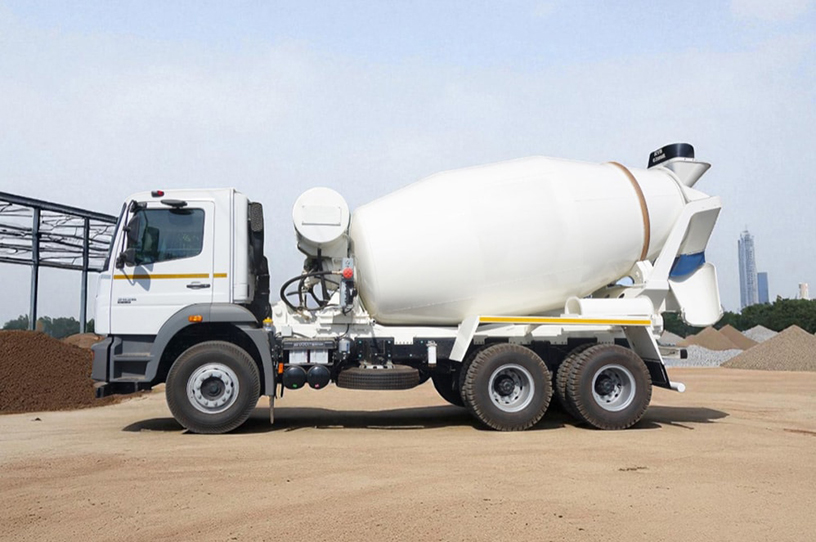
Used mixer trucks can provide a practical way to expand or diversify a concrete delivery fleet. Instead of purchasing an entirely new fleet, businesses can add properly inspected used vehicles to increase transportation capacity, cover temporary demand, or enter new markets.
With appropriate vehicle selection, inspection, maintenance, and fleet planning, used mixer trucks can contribute to a more flexible and cost-conscious concrete delivery operation.
Used Mixer Trucks for Growing Construction Businesses
Growing construction and ready-mix companies may need additional transportation equipment before they are ready to make larger capital investments.
Used mixer trucks can provide a potential intermediate solution.
A company may gradually expand its fleet by adding vehicles as demand increases.
This approach can help businesses:
- Increase delivery capacity
- Enter new service areas
- Support additional customers
- Test new markets
- Spread equipment investments over time
The actual financial benefit depends on vehicle condition, acquisition price, operating costs, and expected utilization.
Creating a More Flexible Delivery Fleet
A diversified fleet can help businesses respond to different project requirements.
For example, fleet managers can assign trucks based on:
- Required delivery volume
- Project location
- Travel distance
- Road conditions
- Customer schedules
- Vehicle availability
A combination of different truck configurations can provide greater flexibility than relying on a uniform fleet.
Used Mixer Trucks as Backup Vehicles
Vehicle downtime can disrupt concrete delivery schedules.
Mechanical problems, maintenance requirements, or unexpected repairs can temporarily remove a truck from service.
A properly maintained used mixer truck can serve as a backup vehicle when primary fleet units are unavailable.
This can help reduce the operational impact of:
- Scheduled maintenance
- Unexpected breakdowns
- Accident repairs
- Inspection downtime
- Peak delivery demand
Backup capacity can be particularly valuable when concrete deliveries are tightly scheduled.
Supporting Remote Construction Projects
Some construction projects are located far from centralized concrete facilities.
Longer delivery distances can increase transportation requirements and make fleet planning more complicated.
Used mixer trucks can provide additional vehicles for regional operations, allowing companies to allocate suitable trucks to projects based on distance and operating conditions.
Before deployment, fleet managers should evaluate the truck’s mechanical condition, drum condition, payload requirements, fuel consumption, and suitability for the intended routes.
How Used Mixer Trucks Can Improve Fleet Utilization
Fleet flexibility is not simply about owning more vehicles. It is also about using available equipment efficiently.
Fleet managers can monitor:
- Truck utilization rates
- Delivery frequency
- Idle time
- Maintenance downtime
- Average delivery distance
- Fuel consumption
- Concrete volume transported
This information can help determine whether additional used mixer trucks would genuinely improve fleet efficiency.
What to Inspect Before Buying a Used Mixer Truck
Vehicle condition is one of the most important factors when expanding a used equipment fleet.
Key inspection areas include:
Engine and Drivetrain
Check engine performance, transmission operation, and drivetrain condition.
Mixer Drum
Inspect the drum for excessive wear, corrosion, deformation, and signs of structural damage.
Hydraulic System
Check hydraulic components, hoses, pumps, and controls.
Chassis
Inspect the frame, suspension, axles, and other structural components.
Electrical System
Test lighting, controls, sensors, and other electrical components.
Maintenance History
Service records can provide useful information about previous maintenance and repairs.
Evaluating Mixer Drum Condition
The mixer drum is particularly important because it directly affects concrete mixing and delivery.
Buyers should evaluate:
- Drum wear
- Internal blades
- Drum rotation
- Discharge mechanism
- Hydraulic drive
- Corrosion
- Residual concrete buildup
A truck with a well-maintained mixer system can be more suitable for continued concrete delivery operations.
Balancing Purchase Price and Operating Costs
A lower purchase price does not necessarily mean a lower total cost.
Fleet managers should consider the total cost of ownership, including:
- Purchase price
- Transportation
- Repairs
- Maintenance
- Fuel
- Insurance
- Registration
- Replacement parts
- Expected resale value
Comparing these factors can provide a more realistic assessment of whether a used mixer truck fits the company’s fleet strategy.
Used Mixer Trucks and Fleet Maintenance
Adding used trucks to a fleet requires an appropriate maintenance plan.
Regular maintenance may include:
- Engine servicing
- Hydraulic system inspection
- Mixer drum inspection
- Lubrication
- Brake inspection
- Tire checks
- Electrical system inspection
- Cleaning of the mixer drum
Preventive maintenance can help reduce unexpected downtime and extend vehicle service life.
Using Fleet Data to Improve Concrete Delivery
Modern fleet management systems can help companies track vehicle performance and delivery activity.
Useful data may include:
- Vehicle location
- Delivery routes
- Fuel consumption
- Engine hours
- Maintenance schedules
- Driver activity
- Delivery times
Combining fleet data with appropriate vehicle allocation can help companies make better decisions about when and where to deploy used mixer trucks.
Used Mixer Trucks for Short-Term Project Demand
Some construction projects create temporary increases in concrete transportation requirements.
Instead of permanently purchasing a large number of new trucks, businesses may consider used equipment to provide additional capacity.
This can be useful for:
- Large infrastructure projects
- Commercial developments
- Road construction
- Residential construction
- Seasonal projects
- Regional expansion
The suitability of this strategy depends on the project’s duration and expected vehicle utilization.
Supporting Sustainable Fleet Management
Reusing construction vehicles can extend the service life of existing equipment and reduce the need for immediate replacement with new vehicles.
A properly maintained used mixer truck can continue supporting concrete transportation for many years.
However, sustainability should also consider:
- Fuel efficiency
- Emissions
- Vehicle age
- Maintenance requirements
- Expected remaining service life
A comprehensive lifecycle assessment provides a better basis for comparing used and new vehicles.
Used mixer trucks can provide construction and ready-mix companies with a flexible way to expand concrete delivery capacity. They can serve as additional fleet units, backup vehicles, seasonal capacity, or equipment for new service areas.
However, successful fleet integration depends on careful vehicle inspection and ongoing management. Engine condition, mixer drum performance, hydraulic systems, maintenance history, operating costs, and expected utilization should all be evaluated before purchase.
By combining careful used mixer truck selection with preventive maintenance and data-driven fleet management, businesses can build a more adaptable concrete delivery fleet while managing equipment investment more effectively.