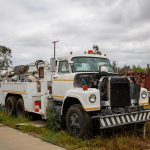
The heavy transportation industry is under increasing pressure to improve cost efficiency and sustainability. For many businesses, purchasing second hand heavy trucks provides an opportunity to expand transportation capacity while making better use of existing resources.
Rather than following a traditional model of manufacturing, using, and discarding vehicles, the second hand truck market keeps commercial vehicles in operation for longer. Through reuse, maintenance, refurbishment, and component replacement, used heavy trucks can contribute to the development of a more efficient circular economy.
How Second Hand Heavy Trucks Support the Circular Economy
Extending Truck Service Life
One of the biggest advantages of buying used heavy trucks is the ability to extend the useful life of existing vehicles.
A truck that is no longer suitable for one fleet may still be capable of performing effectively in another application after proper inspection and maintenance.
Encouraging Vehicle Reuse
The second hand market creates a pathway for trucks to move between businesses, regions, and industries.
This reuse can maximize the value of existing vehicles and reduce premature disposal.
Supporting Refurbishment
Used heavy trucks can often be restored through targeted maintenance and component replacement.
Common refurbishment work may include:
- Engine servicing
- Transmission repairs
- Brake replacement
- Tire replacement
- Suspension maintenance
- Electrical system inspection
- Hydraulic system repairs
- Body and chassis restoration
Reducing Resource Consumption Through Used Heavy Trucks
Manufacturing a new heavy truck requires considerable quantities of raw materials and industrial resources.
By keeping existing trucks in operation, the second hand market can help businesses make greater use of resources that have already been invested in vehicle production.
Maximizing Existing Vehicle Components
Major components such as engines, transmissions, axles, frames, and cabins can continue delivering value when they remain in suitable operating condition.
Reducing Premature Replacement
Instead of replacing vehicles solely because they have changed ownership or completed their first fleet cycle, businesses can assess their remaining service potential.
This lifecycle-oriented approach is an important principle of the circular economy.
Economic Advantages of Second Hand Heavy Trucks
The circular economy can provide both environmental and economic benefits.
Lower Initial Investment
Second hand heavy trucks can offer a lower purchase cost than comparable new vehicles, helping businesses expand fleet capacity while managing capital expenditure.
Flexible Fleet Expansion
Companies can use used trucks to respond to changing transportation requirements without making a large investment in an entirely new fleet.
Better Lifecycle Value
Purchase price is only one part of the total cost of ownership. Buyers should also consider:
- Fuel consumption
- Maintenance expenses
- Parts availability
- Expected service life
- Repair frequency
- Resale value
A properly selected used truck can provide strong value throughout its remaining service lifecycle.
The Importance of Maintenance in the Circular Economy
Maintenance plays a central role in determining whether a second hand heavy truck can continue operating efficiently.
Preventive Maintenance
Regular inspections can help identify potential problems with critical systems before they result in major downtime.
Component Replacement and Remanufacturing
Replacing or refurbishing individual components can be more resource-efficient than prematurely retiring an entire vehicle.
Digital Fleet Management
Modern fleet management technologies can help operators monitor vehicle condition, mileage, fuel consumption, and maintenance schedules.
Better data can help fleet managers make more informed decisions about when to repair, refurbish, replace, or resell a truck.
Applications of Second Hand Heavy Trucks
Second hand heavy trucks can serve a wide range of industries depending on their specifications and condition.
Construction and Infrastructure
Used trucks can support the transportation of construction materials, aggregates, machinery, and equipment.
Mining and Heavy-Duty Operations
Suitable second hand heavy trucks can provide additional transportation capacity for demanding industrial environments.
Agriculture
Agricultural businesses can use used trucks for transporting crops, equipment, feed, and other materials.
Logistics and Freight Transportation
Logistics companies can use second hand heavy trucks to increase fleet capacity and support regional or long-distance freight operations.
What to Consider When Buying Second Hand Heavy Trucks
Choosing the right vehicle is essential for achieving both economic and sustainability benefits.
Vehicle History
Check available information about:
- Previous ownership
- Mileage
- Maintenance records
- Accident history
- Operating environment
Mechanical Condition
Important systems to inspect include:
- Engine
- Transmission
- Braking system
- Suspension
- Steering
- Chassis
- Electrical system
Future Operating Requirements
The truck should match the intended application, including payload capacity, road conditions, distance, and operating frequency.
A suitable vehicle can deliver better efficiency and a longer remaining service life.
Second hand heavy trucks are more than a cost-saving option for fleet operators. They can also contribute to the principles of the circular economy by extending vehicle lifecycles, encouraging reuse, supporting refurbishment, and maximizing the value of existing resources.
With careful inspection, regular maintenance, and effective lifecycle management, used heavy trucks can provide practical transportation solutions while helping businesses move toward more sustainable fleet operations.