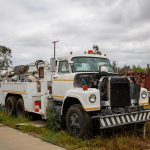
Public transportation systems rely heavily on efficient logistics, maintenance, and operational support. While buses and rail systems are the backbone of passenger movement, used trucks play a critical supporting role behind the scenes. From maintenance operations to material transport, governments are increasingly turning to used trucks as a cost-effective and reliable solution.
This shift is driven by the need to optimize budgets, improve operational efficiency, and embrace sustainability in public sector transportation systems.
The Role of Used Trucks in Public Transportation Support
Used trucks are essential for a wide range of support functions, including:
- Transporting maintenance equipment and spare parts
- Supporting road and rail infrastructure repairs
- Fuel and utility delivery for transit systems
- Waste management and cleaning services
- Emergency response and breakdown assistance
By integrating used trucks into these operations, governments can maintain seamless transportation services without overspending on new fleet acquisitions.
Cost Efficiency Without Compromising Performance
One of the biggest advantages of used trucks is significant cost savings. Compared to new vehicles, pre-owned trucks can cost 30–60% less, allowing municipalities to:
- Allocate budgets more effectively
- Expand fleet size without increasing expenditure
- Invest in other critical infrastructure projects
Modern used trucks, especially those with verified maintenance records, can deliver comparable performance and durability to new models when properly maintained.
Enhancing Operational Flexibility
Used trucks provide flexibility in fleet management, enabling governments to:
- Scale operations quickly during peak demand
- Assign trucks to specialized support roles
- Replace aging vehicles without long procurement cycles
This flexibility is particularly valuable for urban transit systems, where operational demands can change rapidly due to population growth or infrastructure expansion.
Supporting Sustainable Transportation Goals
Sustainability is a growing priority for public sector projects. Using pre-owned trucks contributes to:
- Reduced manufacturing demand and resource consumption
- Lower carbon footprint compared to producing new vehicles
- Promotion of a circular economy
Additionally, many governments are retrofitting used trucks with fuel-efficient engines or alternative energy systems, further enhancing environmental benefits.
Key Considerations When Choosing Used Trucks
To maximize value and reliability, government agencies should focus on:
1. Vehicle Condition and Inspection
Ensure trucks undergo thorough inspections, including engine performance, transmission, and structural integrity.
2. Maintenance History
Choose vehicles with complete service records to reduce the risk of unexpected breakdowns.
3. Compatibility with Existing Fleet
Standardizing truck models can simplify maintenance and spare parts management.
4. Compliance with Regulations
Verify that trucks meet local emissions, safety, and operational standards.
Technology Integration in Used Truck Fleets
Modernizing used trucks with technology can significantly improve efficiency. Common upgrades include:
- GPS tracking and fleet management systems
- Telematics for performance monitoring
- Predictive maintenance tools
- Fuel efficiency optimization systems
These enhancements allow governments to transform traditional fleets into smart, data-driven systems.
Real-World Applications
Used trucks are widely utilized in public transportation support scenarios such as:
- Metro and rail system maintenance logistics
- Bus depot supply and equipment transport
- City-wide cleaning and sanitation services
- Emergency repair units for transport infrastructure
Their versatility makes them indispensable for maintaining reliable public transit operations.
Optimizing public transportation is not just about investing in buses and trains—it also requires efficient and reliable support systems. Used trucks offer a practical solution by combining affordability, flexibility, and sustainability.