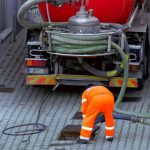
As cities and waste management companies strive to reduce their environmental footprint, the demand for sustainable fleet solutions continues to grow. One practical and cost-effective approach is investing in used sanitation trucks. These vehicles help organizations achieve environmental goals while maintaining reliable waste collection and disposal services.
By extending the service life of existing equipment, used sanitation trucks contribute to resource conservation, waste reduction, and more sustainable municipal operations.
Why Sustainability Matters in Waste Management
Modern waste management systems play a critical role in environmental protection. From residential garbage collection to commercial recycling programs, sanitation fleets directly influence fuel consumption, emissions, and resource utilization.
Organizations are increasingly focusing on:
- Reducing carbon emissions
- Improving fleet efficiency
- Supporting recycling initiatives
- Lowering equipment waste
- Maximizing operational sustainability
Used sanitation trucks provide an effective pathway toward achieving these objectives.
Environmental Benefits of Used Sanitation Trucks
Extending Vehicle Life Cycles
Manufacturing a new sanitation truck requires significant amounts of steel, aluminum, plastics, electronics, and energy. Purchasing a used truck extends the vehicle’s useful life and delays the environmental impact associated with producing a replacement.
Benefits include:
- Reduced demand for raw materials
- Lower manufacturing-related emissions
- Decreased industrial waste generation
- Improved utilization of existing resources
This aligns with circular economy principles that emphasize reuse and asset optimization.
Lower Carbon Footprint
The production of heavy-duty commercial vehicles generates substantial greenhouse gas emissions. Choosing a refurbished or pre-owned sanitation truck reduces the need for new vehicle manufacturing and helps lower overall carbon output.
Companies can support sustainability goals by:
- Reusing existing equipment
- Reducing embodied carbon
- Minimizing fleet replacement frequency
- Implementing environmentally responsible procurement practices
Cost Savings Support Green Initiatives
Reduced Capital Expenditure
Used sanitation trucks often cost significantly less than new models. The financial savings can be redirected toward other sustainability projects such as:
- Recycling infrastructure
- Smart waste management systems
- Fleet telematics
- Fuel efficiency programs
- Employee environmental training
This allows organizations to achieve both economic and environmental objectives simultaneously.
Better Return on Investment
Many well-maintained sanitation trucks continue operating efficiently for years after their initial ownership period. Properly inspected vehicles can provide excellent reliability and performance while requiring a lower upfront investment.
Organizations benefit from:
- Faster asset payback
- Lower depreciation costs
- Increased budget flexibility
- Expanded fleet capabilities
Supporting Recycling and Resource Recovery Programs
Many used sanitation trucks can be adapted for specialized collection services, including:
- Recyclable materials collection
- Organic waste transport
- Yard waste management
- Construction debris removal
- Community recycling initiatives
Fleet operators can deploy multiple collection routes without the significant expense of purchasing entirely new equipment.
Enhancing Collection Efficiency
Modern refurbished sanitation trucks often incorporate upgrades such as:
- Hydraulic system improvements
- Enhanced compaction mechanisms
- Updated safety features
- GPS tracking systems
- Route optimization technologies
These improvements help reduce fuel consumption while increasing collection efficiency.
Maintenance Strategies for Sustainable Operations
Routine maintenance is essential for maximizing the environmental benefits of used sanitation trucks.
Recommended practices include:
- Scheduled engine servicing
- Hydraulic system inspections
- Tire pressure monitoring
- Fuel system optimization
- Preventive maintenance programs
- Driver efficiency training
Proper maintenance reduces breakdowns, improves fuel economy, and extends vehicle lifespan.
The Role of Used Sanitation Trucks in Circular Economy Practices
The circular economy focuses on keeping products and materials in use for as long as possible. Used sanitation trucks exemplify this principle by allowing municipalities and waste management companies to continue utilizing valuable equipment rather than prematurely replacing it.
Circular economy benefits include:
- Resource conservation
- Reduced landfill waste
- Lower manufacturing demand
- Improved sustainability metrics
- Enhanced environmental stewardship
By extending equipment life cycles, organizations create a more sustainable and resilient waste management system.
Used sanitation trucks offer a powerful combination of environmental responsibility, operational efficiency, and financial savings. By extending vehicle life cycles, reducing manufacturing-related emissions, and supporting resource conservation, these trucks play an important role in sustainable waste management strategies.