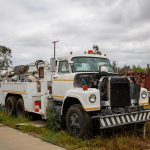
Reliable transportation is the backbone of effective public services. In many developing countries, governments and public agencies face growing demands for infrastructure development, waste management, emergency response, utility maintenance, and community support programs. However, limited budgets often make it difficult to acquire large fleets of new commercial vehicles.
Used trucks for developing countries offer a practical and cost-effective solution. By providing dependable transportation capacity at a lower acquisition cost, used trucks enable public sector organizations to expand essential services, improve operational efficiency, and support national development goals. From municipal operations to disaster relief efforts, used commercial vehicles play a critical role in strengthening public services across developing regions.
Key Public Service Applications for Used Trucks
Waste Collection and Sanitation Services
Efficient waste management is essential for public health and environmental protection.
Used trucks for developing countries support:
- Municipal waste collection
- Recycling programs
- Bulk waste transport
- Community sanitation projects
- Landfill operations
By expanding waste collection capacity, municipalities can improve urban cleanliness and reduce health risks.
Infrastructure Development and Maintenance
Developing countries often invest heavily in roads, bridges, water systems, and public facilities.
Used trucks are widely utilized for:
- Transporting construction materials
- Road maintenance operations
- Utility infrastructure projects
- Equipment transportation
- Public works programs
Affordable vehicle solutions allow infrastructure projects to progress more efficiently and reach underserved communities.
Utility and Public Works Services
Government utility departments require dependable transportation for field operations.
Applications include:
- Water system maintenance
- Electrical network support
- Telecommunications infrastructure work
- Street lighting maintenance
- Public facility repairs
Used trucks for developing countries provide the mobility needed to maintain critical services across large geographic areas.
Supporting Emergency Response and Disaster Relief
Rapid Deployment During Emergencies
Natural disasters, floods, storms, and other emergencies often require immediate logistical support.
Used trucks assist in:
- Delivering emergency supplies
- Transporting rescue equipment
- Moving relief personnel
- Supporting evacuation efforts
- Distributing food and water
The availability of larger fleets improves response times and enhances disaster preparedness.
Humanitarian Assistance Programs
Public agencies and non-governmental organizations frequently depend on transportation networks to deliver aid.
Used trucks can help transport:
- Medical supplies
- Food assistance
- Shelter materials
- Educational resources
- Community support equipment
Reliable logistics ensure that critical resources reach vulnerable populations efficiently.
Enhancing Rural Development Initiatives
Connecting Remote Communities
Many rural areas face transportation challenges that limit access to essential services.
Used trucks for developing countries help governments:
- Deliver public services to remote locations
- Improve infrastructure access
- Support agricultural development
- Facilitate community outreach programs
- Expand regional connectivity
Improved transportation networks contribute directly to social and economic development.
Supporting Agricultural Programs
Agriculture remains a key economic sector in many developing countries.
Public sector fleets use trucks for:
- Transporting agricultural supplies
- Supporting extension services
- Delivering equipment to farming communities
- Facilitating market access initiatives
- Supporting rural development projects
Affordable trucks help strengthen agricultural productivity and food security.
Economic Benefits of Used Trucks for Government Agencies
Lower Acquisition Costs
One of the primary advantages of used trucks is affordability.
Compared with new vehicles, used trucks offer:
- Lower purchase prices
- Reduced financing requirements
- Faster fleet expansion opportunities
- Better utilization of public funds
These savings enable agencies to increase service capacity while maintaining budget discipline.
Faster Fleet Deployment
Public agencies often need additional vehicles quickly to meet growing demands.
Used truck markets typically provide:
- Immediate availability
- Diverse vehicle options
- Shorter procurement timelines
- Faster operational readiness
This flexibility is especially valuable during urgent infrastructure or emergency projects.
Sustainability and Environmental Advantages
Extending Vehicle Life Cycles
Reusing commercial vehicles supports sustainable resource management.
Benefits include:
- Reduced manufacturing demand
- Lower raw material consumption
- Extended asset utilization
- Reduced environmental impact
This aligns with global sustainability objectives and circular economy principles.
Supporting Responsible Public Procurement
Governments increasingly seek procurement strategies that balance economic and environmental considerations.
Used trucks for developing countries can contribute to:
- Resource efficiency
- Sustainable transportation policies
- Reduced lifecycle costs
- Environmental stewardship initiatives
These advantages make them an attractive option for public sector fleet management.
Used trucks for developing countries play a vital role in strengthening public services across developing countries. Their affordability, versatility, and availability enable governments and public agencies to expand transportation capacity, improve service delivery, and support economic development initiatives.
Whether used for waste management, infrastructure projects, utility maintenance, emergency response, rural development, or humanitarian assistance, quality used trucks provide a practical pathway toward more efficient and accessible public services. As nations continue to invest in community development and sustainable growth, used commercial vehicles will remain an essential component of effective public sector operations.