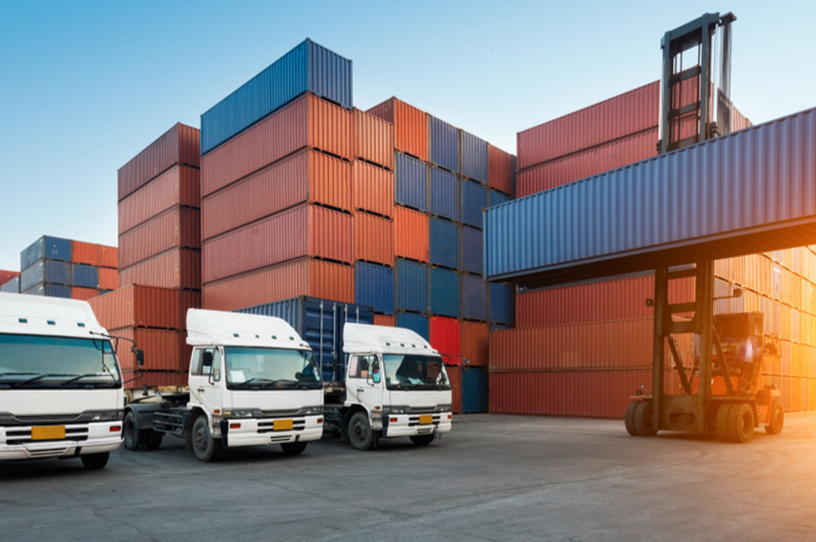
As global industries move toward greener operations, businesses are rethinking how they build and manage their transportation fleets. One practical and often overlooked strategy is investing in used cargo trucks. Beyond cost savings, these vehicles offer significant environmental advantages by reducing waste, conserving resources, and lowering overall emissions. Choosing pre-owned trucks is not just a financial decision—it’s a step toward sustainable logistics.
1. Reducing Carbon Footprint
Manufacturing a new cargo truck requires substantial energy, raw materials, and industrial processing, all of which contribute to greenhouse gas emissions. By choosing used cargo trucks, businesses effectively extend the lifecycle of existing vehicles and avoid the environmental impact associated with new production.
This reduction in “embedded carbon” makes used trucks a more sustainable option, especially for companies aiming to meet carbon reduction targets.
2. Conservation of Natural Resources
Producing new trucks consumes large quantities of steel, aluminum, rubber, and plastics. Reusing existing vehicles helps conserve these finite resources and reduces the need for mining and material processing.
By investing in used cargo trucks, companies support a circular economy model where products are reused and repurposed rather than discarded prematurely.
3. Minimizing Industrial Waste
Vehicle manufacturing generates significant industrial waste, including scrap materials, chemical byproducts, and emissions. Purchasing used trucks reduces demand for new production, thereby lowering the amount of waste generated across the supply chain.
Additionally, extending the lifespan of cargo trucks prevents premature disposal and reduces landfill pressure.
4. Supporting a Circular Economy
Used cargo trucks play a key role in promoting a circular economy, where assets are kept in use for as long as possible. Instead of following a linear “produce–use–discard” model, businesses can adopt a more sustainable cycle of reuse, refurbishment, and resale.
This approach not only benefits the environment but also creates economic value by maximizing asset utilization.
5. Lower Energy Consumption Over Time
Although newer trucks may offer improved fuel efficiency, the total energy consumed during manufacturing often outweighs incremental operational savings in the short term. By reusing existing vehicles, companies reduce the total lifecycle energy demand.
With proper maintenance and upgrades—such as engine tuning or aerodynamic improvements—used cargo trucks can still operate efficiently while maintaining sustainability benefits.
6. Cost Savings Enable Green Investments
One of the indirect sustainability benefits of used cargo trucks is cost efficiency. Lower acquisition costs free up capital that businesses can reinvest in other green initiatives, such as:
- Fleet electrification planning
- Fuel efficiency upgrades
- Carbon offset programs
- Smart logistics and route optimization systems
This creates a balanced approach to sustainability, combining affordability with environmental responsibility.
7. Adaptability and Retrofitting Opportunities
Used cargo trucks can be upgraded with modern technologies to improve their environmental performance. Examples include:
- Installing fuel-efficient engines
- Adding emission control systems
- Converting to alternative fuels
- Integrating telematics for route optimization
These retrofits extend vehicle life while aligning older fleets with modern sustainability standards.
Choosing used cargo trucks is a practical and impactful way to support sustainability in logistics. From reducing carbon emissions and conserving resources to promoting a circular economy, the environmental benefits are substantial. For businesses seeking to balance cost efficiency with eco-friendly practices, used cargo trucks offer a smart and responsible solution.