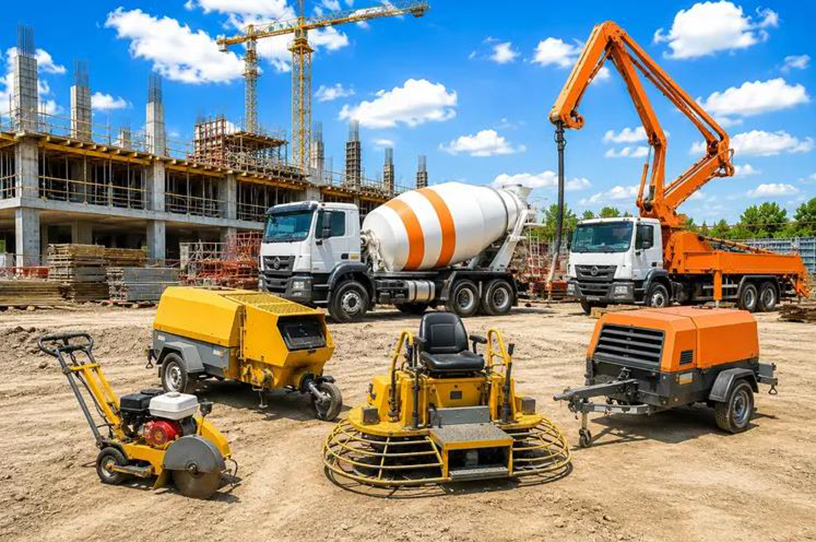
Concrete placement is an important part of road, bridge, and building construction. As projects become larger and construction schedules become tighter, contractors need equipment that can deliver concrete efficiently to different locations. Used concrete pump trucks can provide a practical solution by combining concrete pumping capability with mobile operation.
Applications in Road Construction
Road construction often requires concrete to be placed across large or difficult-to-access areas. Used concrete pump trucks can help contractors deliver concrete to road slabs, curbs, drainage structures, barriers, and other concrete components.
A pump truck can position its boom near the required area and continuously deliver concrete while workers focus on spreading, leveling, and finishing.
This can be particularly useful for:
- Concrete road surfaces
- Highway barriers
- Roadside drainage systems
- Curbs and medians
- Intersections and pavement structures
- Large infrastructure projects
The mobility of a pump truck can also reduce the need to repeatedly reposition other concrete-handling equipment.
Supporting Bridge Construction
Bridge construction presents different concrete placement challenges because some structural components are elevated or located in areas that are difficult for conventional equipment to reach.
Used concrete pump trucks can be used for foundations, bridge decks, piers, abutments, and other concrete structures. A suitable boom length allows concrete to reach areas that may not be easily accessible from ground level.
For bridge projects, contractors should pay particular attention to:
- Boom reach
- Pumping capacity
- Hydraulic system condition
- Vehicle stability
- Concrete delivery requirements
- Previous maintenance history
Choosing equipment with specifications appropriate for the project can help maintain a consistent concrete placement process.
Used Concrete Pump Trucks for Building Construction
Building construction is another major application for concrete pump trucks. Residential, commercial, industrial, and high-rise projects may require concrete to be delivered to foundations, floors, columns, walls, and elevated structures.
A used concrete pump truck can help contractors move concrete vertically and horizontally without relying entirely on manual transportation.
Common applications include:
- Building foundations
- Floor slabs
- Columns and beams
- Concrete walls
- Commercial buildings
- Industrial facilities
- Multi-story construction
For projects with limited space, the truck’s boom configuration and positioning requirements should be considered before purchase.
Why Consider Used Concrete Pump Trucks?
One of the main reasons contractors consider used concrete pump trucks is the potential to reduce initial equipment investment.
A properly inspected used truck may provide the pumping capability required for construction work without the higher purchase cost associated with a new machine. This can be attractive to small and medium-sized contractors or companies expanding their equipment fleets.
Other potential advantages include:
Lower Initial Investment
Used equipment generally requires less upfront capital, allowing contractors to allocate more resources to labor, materials, transportation, and other project expenses.
Flexible Project Applications
A suitable pump truck can be used across road, bridge, commercial, residential, and industrial construction projects.
Faster Concrete Placement
The pumping system can deliver concrete directly to the required location, helping reduce unnecessary material handling and improve workflow.
Fleet Expansion
Contractors can use used equipment to expand their fleet when project demand increases without immediately investing in multiple new vehicles.
Used concrete pump trucks can support a variety of construction applications, from road and bridge projects to residential, commercial, and industrial buildings. Their ability to transport and place concrete efficiently can help contractors improve job-site workflows while potentially reducing equipment investment.
However, equipment condition, pumping capacity, boom reach, hydraulic performance, maintenance history, and vehicle condition should all be carefully evaluated before purchase. By selecting a well-maintained machine with specifications that match project requirements, contractors can obtain a practical piece of equipment for reliable concrete placement.