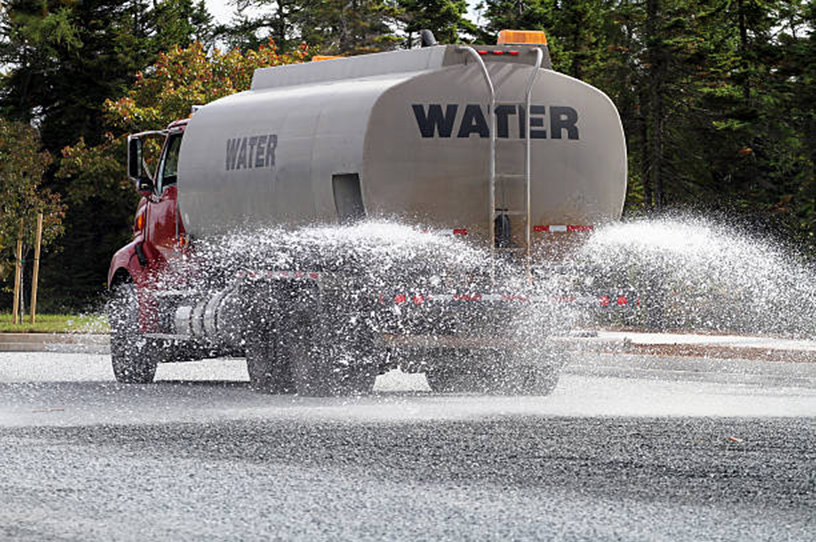
Construction and infrastructure projects require a reliable water supply for a variety of tasks, including dust suppression, soil compaction, concrete curing, and road maintenance. Investing in used water tanker trucks offers contractors and project managers a cost-effective way to meet these operational demands while controlling capital expenditures.
As infrastructure development continues worldwide, the demand for dependable water transportation equipment remains strong. Used water tanker trucks provide an economical alternative to purchasing new vehicles without compromising functionality and performance.
Advantages of Purchasing Used Water Tanker Trucks
Lower Initial Investment
One of the primary benefits of used equipment is affordability. Contractors can acquire high-capacity water tankers at a fraction of the cost of new models, freeing up budget for other project requirements.
Faster Equipment Availability
New vehicles often involve long manufacturing and delivery lead times. Used water tanker trucks are generally available for immediate purchase and deployment.
Proven Performance
Many used tanker trucks have established maintenance records and demonstrated reliability under real-world operating conditions.
Better Return on Investment
Lower acquisition costs combined with strong utility make used water tanker trucks an attractive option for companies seeking to maximize equipment utilization and profitability.
Features to Evaluate When Buying Used Water Tanker Trucks
Choosing the right vehicle requires careful assessment of both the truck and tank system.
Tank Capacity
Select a tank size that matches project requirements. Capacities typically range from several thousand liters to over 20,000 liters depending on application needs.
Pump and Spray System
Inspect pumps, valves, spray heads, and hoses to ensure efficient water distribution and consistent performance.
Chassis Condition
Evaluate engine health, transmission performance, suspension components, brakes, and tire condition.
Corrosion Resistance
Check the tank interior and exterior for signs of rust, corrosion, or structural damage that may affect long-term service life.
Maintenance Records
Well-documented service histories provide valuable insight into the truck’s operating condition and expected reliability.
Applications Across Infrastructure Projects
Highway Construction
Large-scale road projects require continuous dust control and moisture management. Water tanker trucks help maintain safe and compliant working environments.
Airport Development
Runway and taxiway construction projects rely on water distribution for compaction, dust suppression, and surface preparation.
Mining Infrastructure
Mining access roads and support facilities often require regular watering to minimize dust and maintain operational efficiency.
Urban Development
Residential and commercial construction projects use water tankers to support excavation, landscaping, and site preparation activities.
Maintenance Tips for Long-Term Reliability
Proper maintenance extends the lifespan and performance of used water tanker trucks.
Conduct Regular Inspections
Inspect pumps, tanks, hoses, and spray systems routinely for leaks or wear.
Maintain Engine Performance
Follow manufacturer-recommended service intervals for oil changes, filters, and cooling systems.
Clean Water Tanks Frequently
Prevent sediment buildup and contamination that can reduce pumping efficiency.
Monitor Tire and Brake Conditions
Regular checks improve safety and reduce unexpected downtime on construction sites.
Environmental and Operational Benefits
Used water tanker trucks contribute to sustainable equipment management by extending vehicle life cycles and reducing manufacturing demand. They also support environmental compliance through effective dust suppression and responsible water distribution practices.
Organizations can achieve both economic and environmental objectives by incorporating quality used tanker trucks into their fleets.
Used water tanker trucks are valuable assets for construction and infrastructure projects. Their ability to provide reliable water transportation, dust control, soil compaction support, and operational flexibility makes them essential equipment across multiple industries.