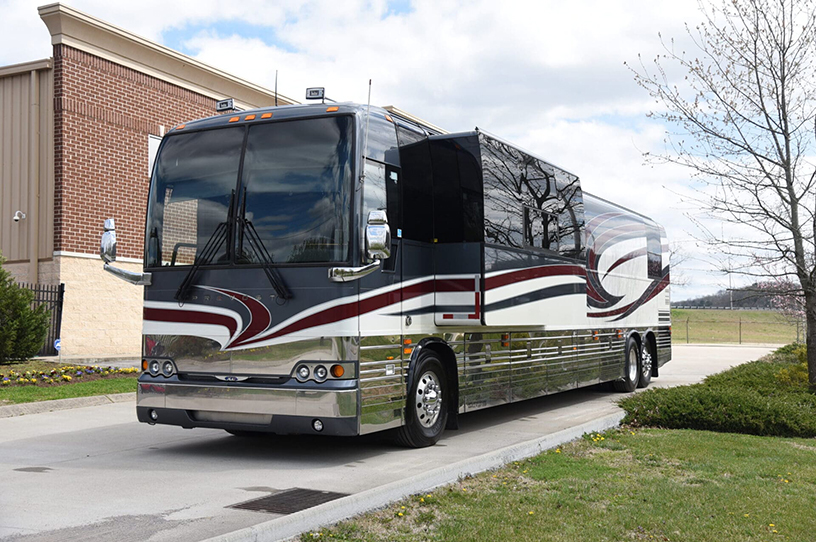
Replacing aging buses is one of the largest capital commitments a passenger transport operator will ever face. With a new 45-foot motorcoach now routinely priced between $450,000 and $600,000, more fleet managers are turning to the used coaches for sale market to stretch their budgets, renew capacity faster, and keep cash flow healthy.
Why Fleet Operators Choose Used Coaches
For charter operators, tour companies, shuttle services, and public transit contractors, the case for buying pre-owned coaches comes down to four practical advantages:
- 50–70% lower acquisition cost. A three-to-five-year-old coach from a reputable fleet typically sells for a fraction of its original price while retaining 60–75% of its useful service life.
- Faster delivery. New coach orders from major OEMs often carry 12–24 month lead times. A used coach available today can be in revenue service within weeks — critical when a vehicle goes down unexpectedly or a new contract starts on a fixed date.
- Slower depreciation. The steepest depreciation hit has already been absorbed by the first owner. A well-maintained used coach holds its value proportionally better, improving your resale position.
- More fleet for the same budget. The cost of one new coach can often secure two or three quality used units — letting operators expand capacity, increase backup ratios, or serve new routes without new capital approval.
“We replaced two aging 2014 coaches with three 2019 units, all serviced under fleet maintenance contracts. Total spend was 20% below one new coach — and we added a spare vehicle in the process.”
When Fleet Replacement Makes Sense
Not every aging vehicle needs to be replaced at once. The most cost-effective fleet replacement programs are phased. Consider sourcing used coaches when:
- Maintenance costs exceed 15–20% of a vehicle’s residual value per year — the classic economic replacement trigger.
- Breakdown frequency is rising. Unplanned downtime doesn’t just cost repair money; it costs cancelled charters and damaged client relationships.
- Emissions or ADA compliance deadlines approach. Some contracts and jurisdictions require newer engine standards or wheelchair-accessible equipment by a set date.
- New contracts demand newer fleet age. Many corporate and government tenders score bids partly on average fleet age.
- Cash reserves are tight. Spreading replacement over several cycles with used units protects working capital.
How to Inspect a Used Coach Before Buying
The used coach market rewards buyers who do their homework. Before committing to any used coach for sale, run this checklist:
1. Verify the paper trail
- Complete maintenance and repair records — ideally from a single fleet with scheduled servicing
- Title history, accident reports, and lien verification
- Engine and transmission rebuild documentation, if applicable
2. Inspect the drivetrain and chassis
- Engine compression test and oil analysis
- Transmission shift quality and service history (automatic transmissions are the most expensive single repair)
- Frame corrosion, suspension bushings, air brake system condition
- Tire age and tread depth across all axles
3. Check coach systems and interior
- HVAC performance (a frequent and costly failure point in older coaches)
- Audio/visual systems, Wi-Fi equipment, USB/110V outlets
- Restroom condition, seat upholstery, and ADA lift function if equipped
- Water damage signs — ceiling stains and musty odors signal roof leaks
4. Buy smart: source and certify
Financing and Total Cost of Ownership
Used coach financing is well developed. Most buyers choose from:
- Equipment loans — 3–6 year terms; the coach itself serves as collateral, with rates typically 1–2 points above new-vehicle loans.
- Operating leases — useful for keeping used units off the balance sheet and refreshing the fleet every 3–4 years.
- Dealer financing programs — many used coach dealers partner with specialty lenders familiar with commercial passenger vehicles.
When evaluating any deal, calculate total cost of ownership (TCO), not just the sticker price: acquisition + finance cost + projected maintenance + fuel + insurance + expected resale value. A $150,000 used coach with $8,000/year in extra maintenance still usually beats a $500,000 new unit on 5-year TCO — but run your own numbers per vehicle.
Fleet replacement doesn’t have to mean a nine-figure capital plan or an 18-month wait. The used coaches for sale market offers operators a faster, leaner, and more flexible path: buy younger, well-documented pre-owned units, phase them in on a rolling schedule, and reinvest the savings where they earn the most — in maintenance, drivers, and customer experience. For most operators, used isn’t the compromise option anymore. It’s the smart default.